You want an EV, but hate the resale gamble
You price an EV today, feel good about the monthly payment, then notice the same model dropped by thousands after a new incentive, a surprise price cut, or a mid-cycle refresh. Three years later, that swing shows up in resale value. It’s not just “EVs depreciate”—some get hit far harder because the market reprices them quickly.
The hard part is that the usual new-car signals don’t behave the same. A “good deal” can turn into an expensive lesson if the manufacturer discounts aggressively or a newer battery/charging update makes your exact trim feel dated.
This is about spotting the models most likely to sting, then choosing whether to buy new, lease to cap your downside, or plan a smarter used purchase.
What makes an EV lose value fast in three years?
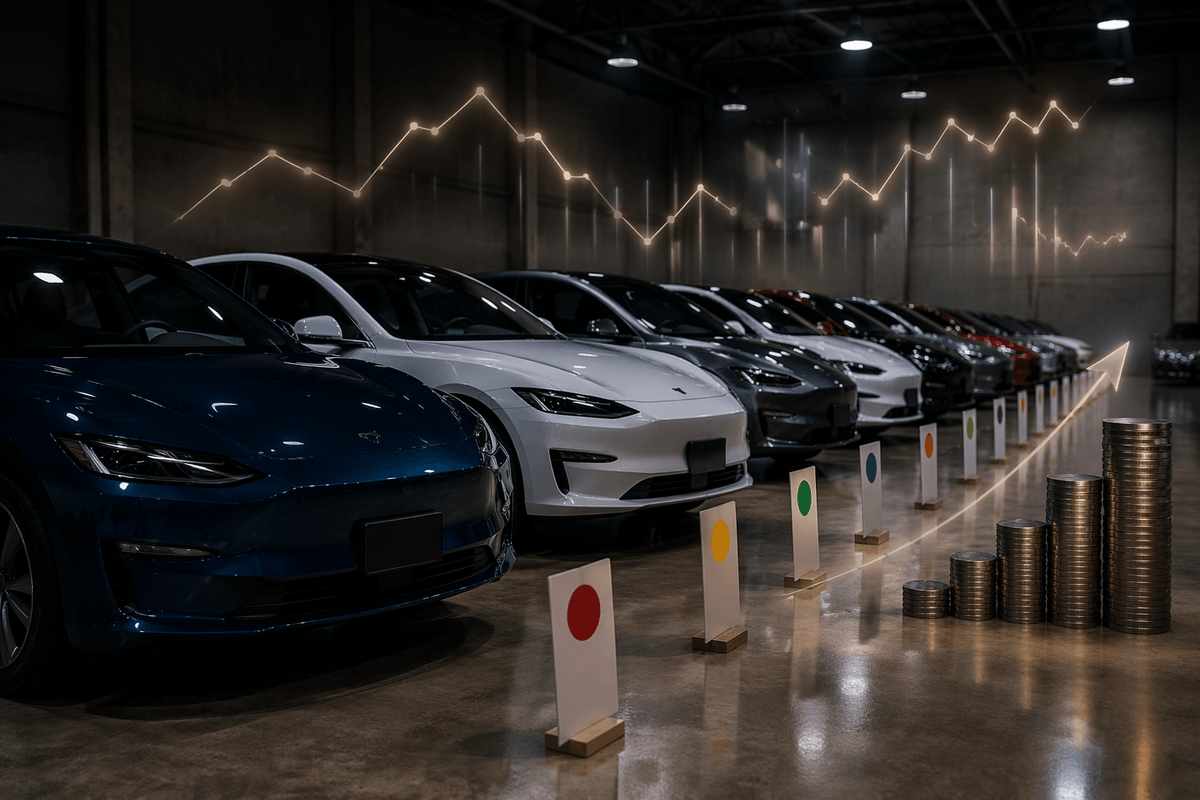
You’ll see it happen when a brand drops the sticker price midyear, and yesterday’s “normal” deal instantly looks overpriced. That kind of reset drags down trade-in offers because dealers have to price used cars under the new new-car number, not under what you paid. Incentives can do the same thing. A big rebate today becomes the new baseline, and resale follows it down.
Fast depreciation also shows up when the exact trim you bought stops making sense. If a new model year adds longer range, faster charging, a heat pump, or a better driver-assist package for similar money, your version ages overnight. The risk is highest on trims that were expensive mainly because they were early, not because they have lasting hardware.
One more practical hit: EV demand is sensitive to interest rates and used-battery perception, so appraisals can swing month to month. That’s why the next step is naming the specific new EVs most likely to sting.
The 10 new EVs most likely to sting you
You usually feel the pain on EVs that get frequent price moves, big lease subventions, or quick spec jumps. Those conditions train the used market to expect discounts, and your trade-in offer will reflect that expectation even if you bought during a “normal” month.
A practical shortlist of new EVs that often carry higher 3-year downside (especially in higher trims): Tesla Model 3, Tesla Model Y, Nissan Ariya, Hyundai Ioniq 5, Kia EV6, Ford Mustang Mach‑E, Volkswagen ID.4, Mercedes‑Benz EQE SUV, BMW i4, and Polestar 2. The common pattern isn’t that they’re bad cars; it’s that pricing and incentives have been volatile, and refresh cycles or feature reshuffles can make last year’s build look like the “old deal” fast.
Two real-world limits: your exact trim matters more than the badge, and your local tax credit eligibility can flip the math overnight. If one of these is on your shortlist, the question stops being “buy or don’t buy” and becomes whether a lease puts a hard cap on the risk.
Are you better off leasing than buying this one?
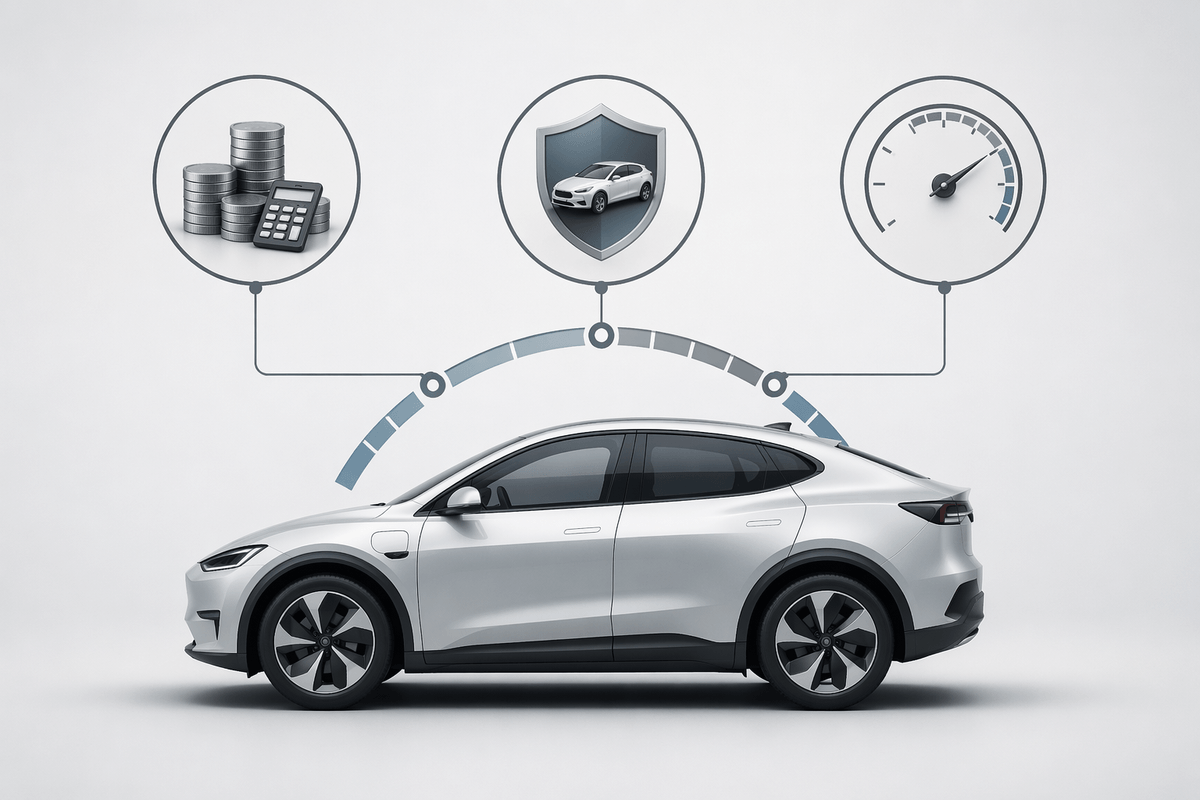
You test-drive the exact EV you want, then find lease payments that look oddly reasonable compared with financing. That’s usually the market telling you something: the brand is pushing lease support or the expected resale is shaky, so the lease is priced to move metal now while shifting the resale risk away from you. If you expect the model to see price cuts, bigger rebates, or a meaningful refresh in the next 12–24 months, leasing can keep that whiplash from landing on your trade-in.
A quick decision rule helps. If the lease money factor is competitive, the residual is not wildly optimistic, and the monthly gap versus a purchase (with your best realistic trade value in year three) is small, lease. It also fits if you drive under the mileage cap and you’re okay returning the car with normal wear. The real downside is rigid terms: overage miles, damage fees, and the risk you’ll want out early and discover how expensive lease exits can be.
If you do lease, aim for a trim that won’t feel obsolete fast, because you’ll still live with it until turn-in—and some updates arrive mid-lease.
When buying new feels okay, lock in smarter specs
You’ll sometimes land on a new-EV deal where the numbers stay sane even if prices wobble a bit—because the spread to a comparable used one is small, the incentives are already baked in, and you plan to keep it past the three-year danger zone. In that case, the goal shifts from “guess the market” to picking specs that won’t look like the wrong choice when the next model year shows up.
Start with hardware that ages slowly: a heat pump in cold climates, a charging setup you’ll still want (faster DC charging matters more than an extra inch of wheel), and the smallest battery that still covers your real weekly drive without stress. Skip trims where most of the price is cosmetics or a bundled package you can’t resell. Big wheels, rare colors, and fancy interiors often cost real money now and return pennies later.
The catch is availability. The “right” mid-trim can be hard to find, and ordering can push you into a new incentive rule—or a price cut—before delivery. That’s where buying used starts to look less like a compromise and more like a control move.
If depreciation scares you, shop used like a pro
You look at the same EV in the used listings and wonder why it’s suddenly “affordable.” Often it’s because the first owner ate the price cut, the incentive reset, or the early-trim premium. That’s exactly the point: if you’re worried about the first three years, let someone else pay for them, then buy at a price the market has already decided is real.
Shop used like you’re buying battery and warranty, not just a badge. If the car is still inside the factory battery warranty window, you’ve reduced the most expensive unknown. Ask for the original window sticker or build sheet so you can confirm the hardware that matters (heat pump, DC fast-charge rate, driver-assist package) and avoid “looks loaded” trims that are mostly wheels and interior.
One real constraint: used EV pricing can swing fast when new incentives change, so run the numbers against a brand-new example the same week. If used is only a few thousand less, keep negotiating or walk.
Your last 10 minutes before signing a deal
You’re sitting in the finance office and the deal suddenly looks different: add-ons appear, the rate shifts, and the “out the door” number creeps up. Slow it down. Ask for a line-item sheet and remove anything you didn’t request (VIN etch, paint protection, prepaid maintenance) unless you can price it elsewhere and it still makes sense.
Then sanity-check the resale risk you can control. If you’re buying, confirm the exact trim, battery, and charging hardware on the paperwork, and make sure incentives you counted on are actually applied. If you’re leasing, verify money factor, residual, mileage, and wear rules in writing. If any of those don’t match what you budgeted, pause and be willing to walk.