You want an EV under $30k without surprises
You find a used EV listed at $24,999, the photos look clean, and the range number seems “good enough.” Then the doubts start: will the battery hold up, will a repair require a specialist shop, and will a software or charging issue turn into weeks of waiting. Under $30,000, the real risk usually isn’t the motor. It’s the edges—battery health, warranty coverage, parts availability, and whether a certain model year has a known weak spot.
That’s why “best EV” lists don’t help much at this price. A cheap deal can be a stable daily driver, or it can be cheap because owners already hit the expensive problems. The goal here is simple: separate low-drama picks from tempting headaches, starting with one decision you can make before you even compare models.
First decision: cheap price, or low-risk ownership?
You’ll see two cars with the same sticker price and think they’re equal. They usually aren’t. One is cheap because it’s simply older or higher-mileage, while the other is cheap because it sits outside the “safe zone” for warranty, parts, or known fixes.
If you choose the lowest price first, you’re often accepting a bigger bill later. A $2,000–$4,000 swing on purchase price can disappear fast if the car needs a battery-related repair you can’t do at home, or if a minor crash turns into a long wait for model-specific body parts. If you choose low-risk ownership first, you start with guardrails: remaining battery warranty, a model year with fewer known quirks, and a car that more shops can service.
To make that choice real, it helps to know where used EV problems actually show up—because it’s rarely the headline components.
Where reliability problems actually show up in used EVs
You buy a used EV and the test drive feels normal—quiet, smooth, no warning lights. The problems that drain time and money usually show up later in the “support” parts: charging hardware, thermal management, and the 12‑volt system that runs computers, locks, and contactors. If the car won’t charge reliably at home, or fast-charging fails mid-trip, you don’t have a “small issue.” You have an EV you can’t use the way you planned.
Heat control is another common failure point because it’s tied to both comfort and battery protection. A weak A/C compressor, coolant valve, or heat pump can reduce range, limit fast-charging, or trigger warnings in hot or freezing weather. Add in software and sensors—door handles, cameras, parking sensors—and you get problems that aren’t catastrophic but can require dealer-only tools and long appointment waits.
The annoying part is that these issues often start as “intermittent.” That’s why certain model years are so tempting: they’re cheap, and they hide the patterns.
Model years to avoid—and why they’re tempting
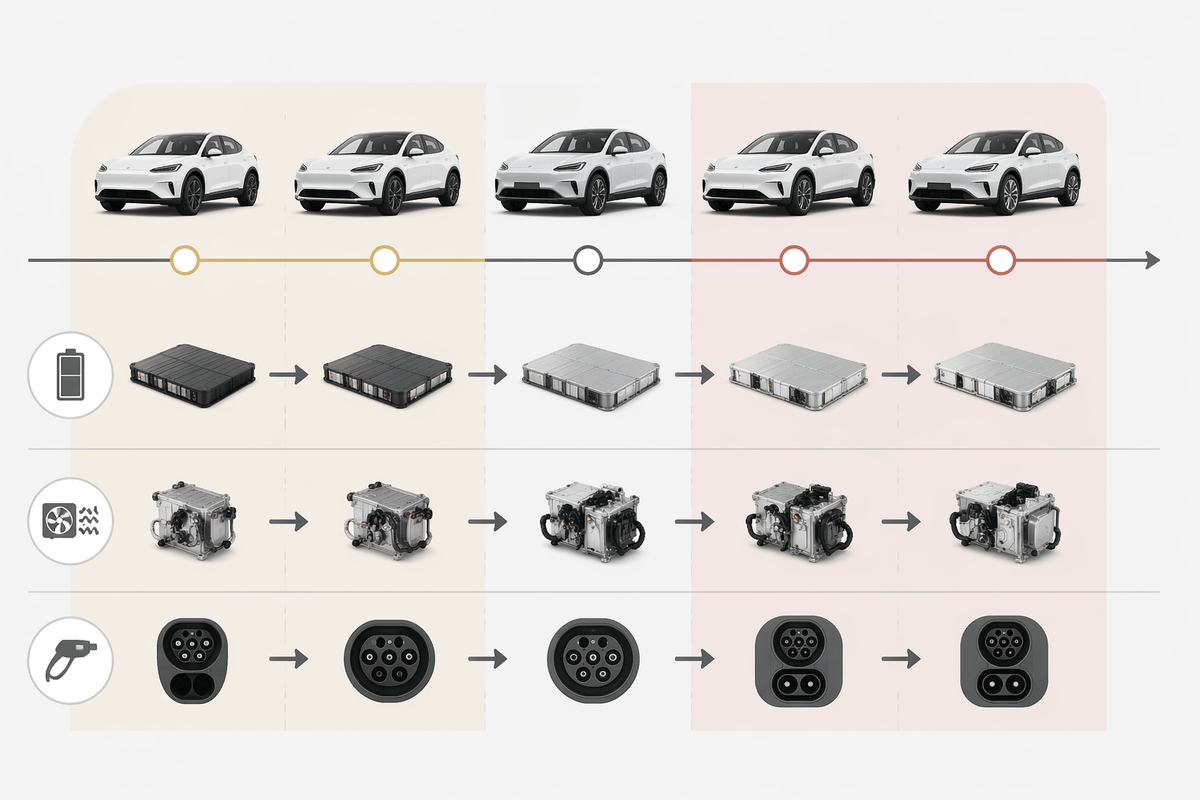
You’ll spot a price that’s thousands lower for the same model and assume it’s just mileage or cosmetic stuff. Often it’s a year that sits on the wrong side of a fix. Early production runs are the classic trap: the car looks modern, the range number still reads well, and depreciation did the heavy lifting. But those first one or two model years are where you’re more likely to find “rev A” charging parts, fussier thermal plumbing, or software that went through multiple hardware revisions.
The most tempting years are the ones that are (1) just out of the main warranty window, (2) right before a mid-cycle refresh, or (3) the first year after a big change like a new battery size or heat-pump setup. Sellers can honestly say it “drives great,” because many problems show up under specific conditions: a cold-soaked fast-charge, a hot day with A/C blasting, or a 12‑volt that dies without warning.
If a deal is noticeably cheaper than similar listings, treat the model year as the first suspect—then verify with service records and open recalls before you even negotiate.
Battery confidence in 10 minutes: your quick checks
You’re standing by the car, the seller is talking, and you’re trying to answer one question fast: is this battery a normal used battery, or a future argument. Start with paperwork, not vibes. Pull the VIN and confirm the in-service date, then check how much of the battery warranty is actually left; a “2019” that was first sold in 2018 loses a year of coverage on day one.
Then do three quick screens on the car itself. First, charge it to at least 80% (or arrive with it there) and compare the displayed range to EPA range for that exact trim and wheel setup. A big gap can be normal in winter, but if it’s warm out and the number looks wildly low, ask why. Second, look for any battery or charging warnings in the menus, and confirm DC fast charging works with a short session if possible. Third, listen for loud coolant pumps or A/C grinding when you turn HVAC on; thermal issues often show up there.
You won’t get a lab-grade health report in a driveway, but you can avoid the obvious bad bets before you commit to a deeper inspection.
The 10 under-$30k EVs that tend to be low-drama
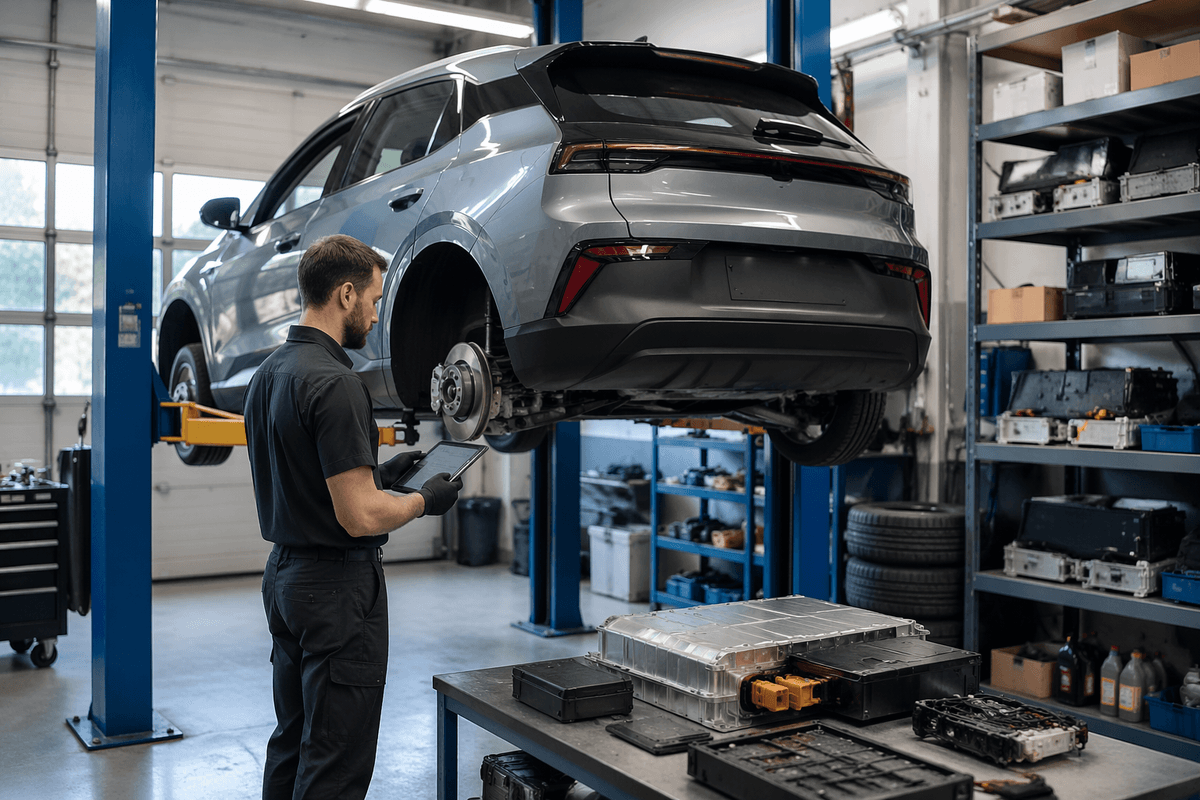
You’re usually choosing between “common and understood” and “rare and unpredictable.” Under $30k, the low-drama move is to favor EVs that sold in big numbers, kept the same core hardware for several years, and still have battery warranty runway. In real listings, that often means these ten: Chevrolet Bolt EV (2019–2021), Chevrolet Bolt EUV (2022), Nissan Leaf (2019+), Hyundai Kona Electric (2019–2021), Kia Niro EV (2019–2021), Volkswagen e‑Golf (2019), BMW i3 (2019–2021), Tesla Model 3 Standard Range/Plus (2018–2020), Mini Cooper SE (2021+), and Hyundai Ioniq Electric (2019–2021).
Use the same fast filters on every one: confirm the in-service date, confirm battery warranty terms, and check for open recalls before you drive out. Then prioritize the cars with widespread support—more independent shops that will touch them, more salvage/used parts, and fewer “special order” delays after a minor fender-bender. The catch: the safest picks can cost more in the moment, because the market already figured out they’re easier to live with.
With a short list in hand, the final step is making sure the specific car matches the “low-drama” version of itself.
Make the final call: a checklist before you sign
You’re about to sign, and two listings that look identical on paper can still diverge fast. Run a simple checklist: confirm VIN, in-service date, and remaining battery warranty; check open recalls; and scan the history for repeated 12‑volt, HVAC, or charging repairs. Do a short DC fast-charge session if you can, because “it charges at home” doesn’t prove road-trip charging works.
Before money changes hands, price in one paid pre-purchase inspection at a shop that actually services that model. The limitation is real: some independents won’t touch certain EVs, and dealer appointments can take weeks. If the seller won’t allow these checks, walk.