Why iconic tablets still beat many new ones
You can buy a brand-new tablet today and still end up with one that feels slightly off: the screen looks fine but not great, the keyboard case wobbles, the pen lags, or the software stops getting updates sooner than you expected. Specs don’t warn you about those things. They also don’t tell you whether the apps you actually use—notes, browsing, streaming, email—feel instant and stable day after day.
Iconic tablets earned their reputation because they nailed a few everyday qualities at the same time: a screen you enjoy staring at, a body that disappears in your hands, accessories that work without fuss, and enough software support to stay useful. The catch is simple: some “good deals” are only cheap because they’re near an update cliff or need pricey add-ons. Those make-or-break qualities are what to shop for.
First, chase the in-hand magic of iPad Air 2

You notice it the first time you pick one up without thinking: the iPad Air 2 feels thin, light, and balanced in a way many bigger tablets still don’t. If your tablet mostly lives on the couch, in bed, or in a tote bag, that “disappears in your hands” feeling matters more than a faster chip on a spec sheet. A lot of modern budget tablets add weight with thicker shells and cheaper screens, and you end up using them less simply because they’re a hassle to hold.
The Air 2 also proved that a tablet can feel premium without needing a keyboard or pen to justify itself. The real downside is time: it’s an older model, so you’re often buying it used, with unknown battery wear and limited software life. If the price is low enough to accept those limits, it’s still a useful reference point for what good ergonomics should feel like—then you can chase that same feel in newer picks.
Do you want a screen that changes everything?
Most tablets look “sharp” in a store, then feel flat at home—especially at night, when you’re reading, watching a show, or scrolling in low light. That’s usually the screen, not the processor. If you’ve ever compared an older basic LCD to a great laminated display, you know the difference: text seems closer to the glass, glare drops, and small UI elements stay readable without cranking brightness.
This is where a few iconic models still set the bar. iPad Pro models with ProMotion (120Hz) make everyday motion—scrolling, page turns, even simple animations—look cleaner and feel more direct. High-end OLED/mini‑LED screens can make dark scenes and HDR video look meaningfully better, but only if the apps and services you use actually deliver good HDR.
The catch is cost and risk. The “screen leap” tablets are often pricier used, and a great panel won’t save you from scratches, uneven backlight, or burn-in. That’s the screen check you do before anything else.
Before you buy used, check the update cliff
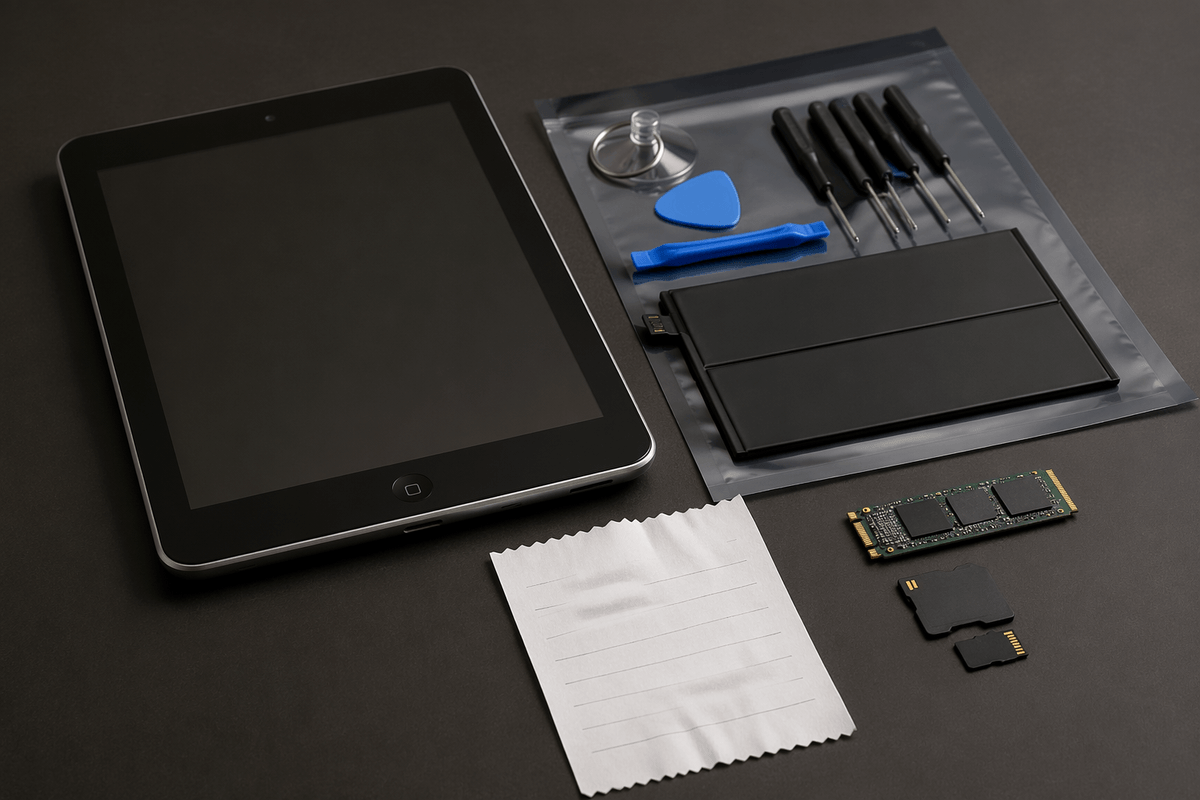
You find a “like new” refurb listing, the photos look clean, and the price feels like a win. Then you get it home and the first annoyance isn’t speed—it’s software. A banking app refuses to install, your work email demands a newer OS, or your favorite note app stops syncing properly. That’s the update cliff: the moment a tablet can’t move forward, so the apps around it start moving on without it.
Before you pay, check two things: the newest OS version that model can run, and whether your must-have apps still support that version. If you rely on school portals, medical apps, 2FA authenticators, or a password manager, this matters even more because they drop old versions faster. Budget for the reality, too. An older iPad may still feel great in the hand, but a battery replacement or more storage can erase the deal.
Once software longevity clears, accessories become the next filter—because “tablet-only” use isn’t how many people work anymore.
Keyboards and pens: where Surface Pro 3 still wins
You sit down to write an email, tweak a spreadsheet, or mark up a PDF, and a lot of tablets suddenly feel like they’re fighting you. The on-screen keyboard covers half the page, trackpad gestures don’t exist, and the pen is either jittery or delayed. This is where the Surface Pro 3 still earns its “iconic” label: it treated the keyboard and pen as first-class tools, not optional toys.
The Type Cover made lap use realistic, and the kickstand gave you more angles than most tablet cases ever manage. With the Surface Pen, handwriting and quick annotations felt natural for class notes and review work. The hard part is the used-market reality. Type Covers wear out, pens go missing, and buying both after the fact can erase the bargain. And if you hate Windows tablet touch targets, no accessory fixes that—so test the basics before you commit.
Once input feels right, the last thing that decides daily use is how long it stays alive off the charger.
Battery life you notice at 2 a.m.
You’re in bed, the lights are off, and your tablet is at 18%. You tell yourself it’s enough for one more episode, a few pages, maybe a quick email—and then the screen dims, the frame rate stutters, or it drops to 5% faster than it should. That’s when “battery health” stops being an abstract spec and becomes the reason you reach for your phone instead.
Older iconic tablets can still feel smooth, but time is unforgiving: lithium batteries wear down, and many used listings won’t tell you the real capacity. Plan for it. Ask for a battery health screenshot when possible, favor sellers with return windows, and assume you may need a replacement if the price is aggressively low. Also watch standby drain: a tablet that loses 10–15% overnight with light use is annoying in daily life, even if it benchmarks well.
Once you know what kind of unplugged time you actually need, it’s easier to pick a modern model that matches the same “iconic” strengths without chasing specs you won’t feel.
Match today’s picks to the five iconic strengths
You’re usually not choosing between “old” and “new.” You’re choosing which strength you care about most, then paying for it on purpose. Start with feel: if you’ll hold it for hours, prioritize a thin, well-balanced tablet over a bigger screen that stays on the table. Then pick your screen goal: 120Hz for smooth scrolling, or OLED/mini‑LED if movies are the point. Lock in software life by checking the newest OS the model can run today. Add accessories only if you’ll really type or write. Finally, treat battery as a budget line item—especially on refurbished buys.