The brochure answers weren’t the ones I needed
Most EV shopping starts the same way: range, tax credits, charging speed, monthly payment. Those numbers help, but they leave out the part that decides whether the car will feel easy or annoying on a normal Tuesday. A brochure does not tell you what happens when you park on the street, come home late, or need to leave again before the battery has had time to refill. That gap matters more than one extra second to 60.
The useful questions were simpler and harder at the same time. Where would I actually plug in each week? How often would I need to think about charging at all? Once those became the focus, the sales pitch stopped sounding complete, and real daily use came into view.
Where would I actually plug in each week?
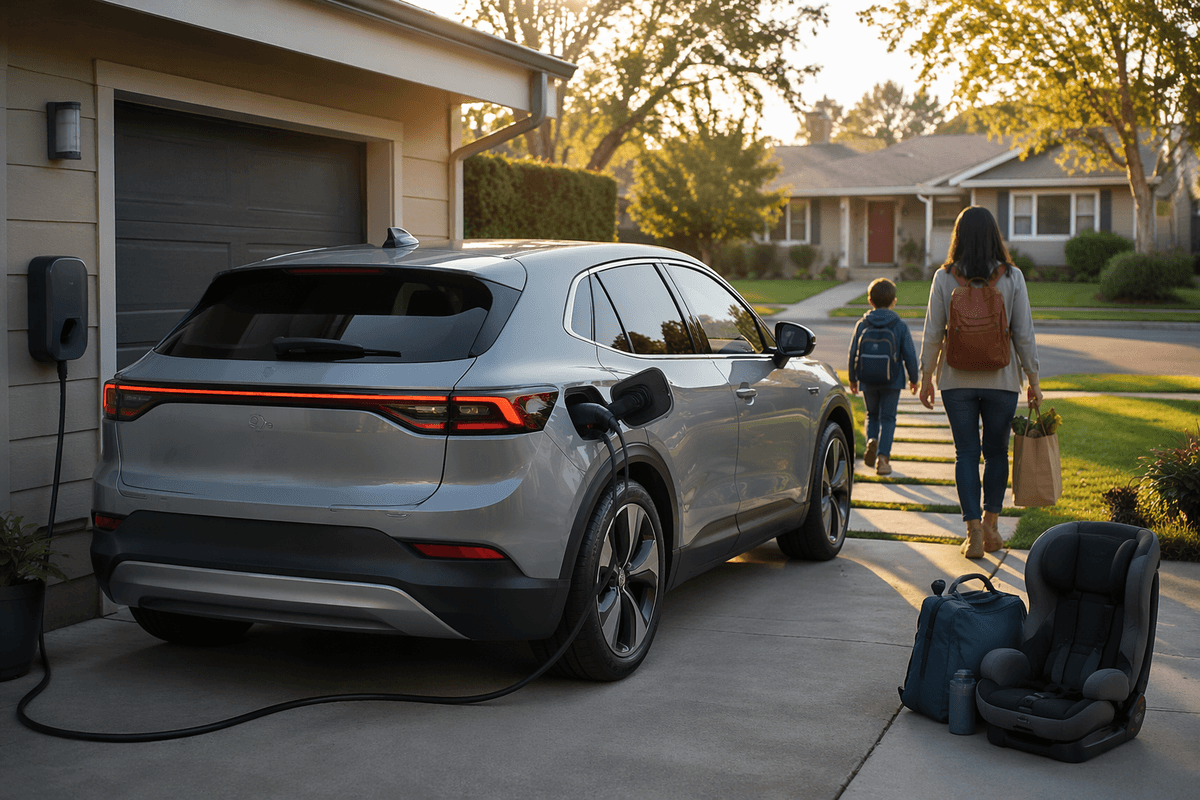
If the car sleeps in your driveway or garage, the weekly routine is usually simple: plug in at night a few times and stop thinking about it. That is the version people picture, and when it fits, it really does make EV ownership feel easy. A basic home setup often matters more than chasing the biggest battery, because regular overnight charging turns most driving into background maintenance.
The picture changes fast if you rent, share parking, or leave the car on the street. Then charging stops being a private habit and becomes an errand. You start asking different questions: Is there a reliable charger near home, near work, or near the grocery store I already use? Is it usually open when I need it? A charger that looks close on a map can still be useless if it is blocked, broken, or busy every evening.
That is why the first check is not range. It is parking. Once you know where the car will sit most nights, you can start to see when public charging would enter the week at all.
When would public charging become part of real life?
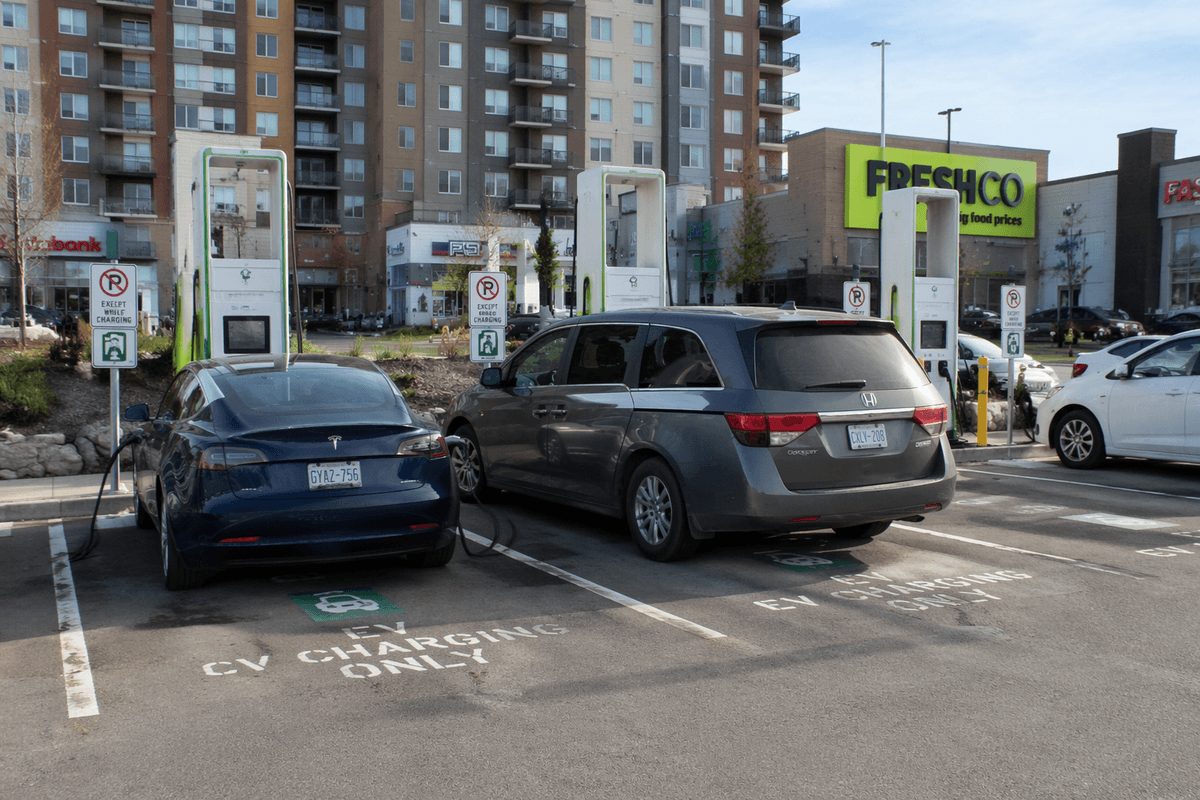
Public charging usually shows up in real life only when your normal parking setup leaves gaps. If you can charge at home most nights, public stations are often backup: road trips, a heavy week of extra driving, or the day you forgot to plug in. If you cannot charge where you live, the public network moves from occasional convenience to part of your schedule. Then the question is not whether chargers exist. It is whether they line up with places you already go.
That difference changes the feel of ownership. A fast charger near a supermarket can work well if you shop there every week and the station is usually open. A charger fifteen minutes out of the way can turn into forty minutes lost once you drive there, wait, and move the car when charging ends. Cold weather, high speeds, and short repeated trips can push those visits onto the calendar sooner than you expected.
Once that pattern becomes clear, the battery number starts to matter in a more honest way.
Why did the same battery feel different each day?
You notice it the first week you pay attention: the battery percentage drops in a way that feels steady one day and strangely quick the next. The pack did not change. Your use did. A cold morning, a fast highway run, strong wind, cabin heat, or a string of short trips can all pull more energy from the same battery. The label on the window is a rough ceiling in good conditions, not a promise for every Tuesday.
This matters most when your routine sits close to the car’s comfortable range instead of well inside it. If your normal day is 25 miles, weather swings rarely change the plan. If your normal day is 160 miles and you cannot charge easily at home or work, those swings stop feeling theoretical. They decide whether you drive straight back or make a charging stop on the way.
That is why daily EV life works better when you leave margin. Not huge margin. Just enough that cold snaps, errands, and highway miles do not force last-minute changes. Once you start thinking that way, small routine shifts matter just as much as battery size.
What habits changed once gas stations disappeared?
That shows up in small habits before it shows up in big ones. You stop waiting until the car is “low” and start topping up when it is convenient. If home charging is easy, plugging in becomes closer to charging a phone than planning a fuel stop. If home charging is not easy, you start pairing charging with errands on purpose, because a separate charging trip gets old fast.
A few other routines change too. You pay more attention to where you will park at your destination, not just how long the drive is. On longer days, you leave with a clearer plan instead of assuming you can pull into any exit and refill in five minutes. That part takes adjustment. Public charging can work well, but it asks for more intent and a little more patience when stations are busy or slower than expected.
Once those habits feel normal, the next question gets more practical: which kind of EV makes that routine easy instead of tight?
Which EV fits a routine like mine?
If your week is mostly school runs, commuting, and local errands, almost any modern EV with reliable home charging will feel easy. In that case, the better fit is often not the one with the biggest battery. It is the one with the right mix of price, comfort, cargo space, and controls you will use every day. Paying extra for 80 more miles of rated range may not help much if you already wake up charged and rarely drive far enough to need it.
The decision gets sharper when charging is harder. If you park on the street, drive long highway days, or depend on public fast charging, battery size and charging speed start to matter more. A cheaper EV can become frustrating if it needs more frequent stops or charges slowly when you are trying to get home. The larger battery also adds cost and weight, so you are paying for flexibility, not magic.
That is why the best test is simple: match the car to your hardest normal week, not your easiest one. Then the final check becomes even more concrete.
So what should a first-time buyer check now?
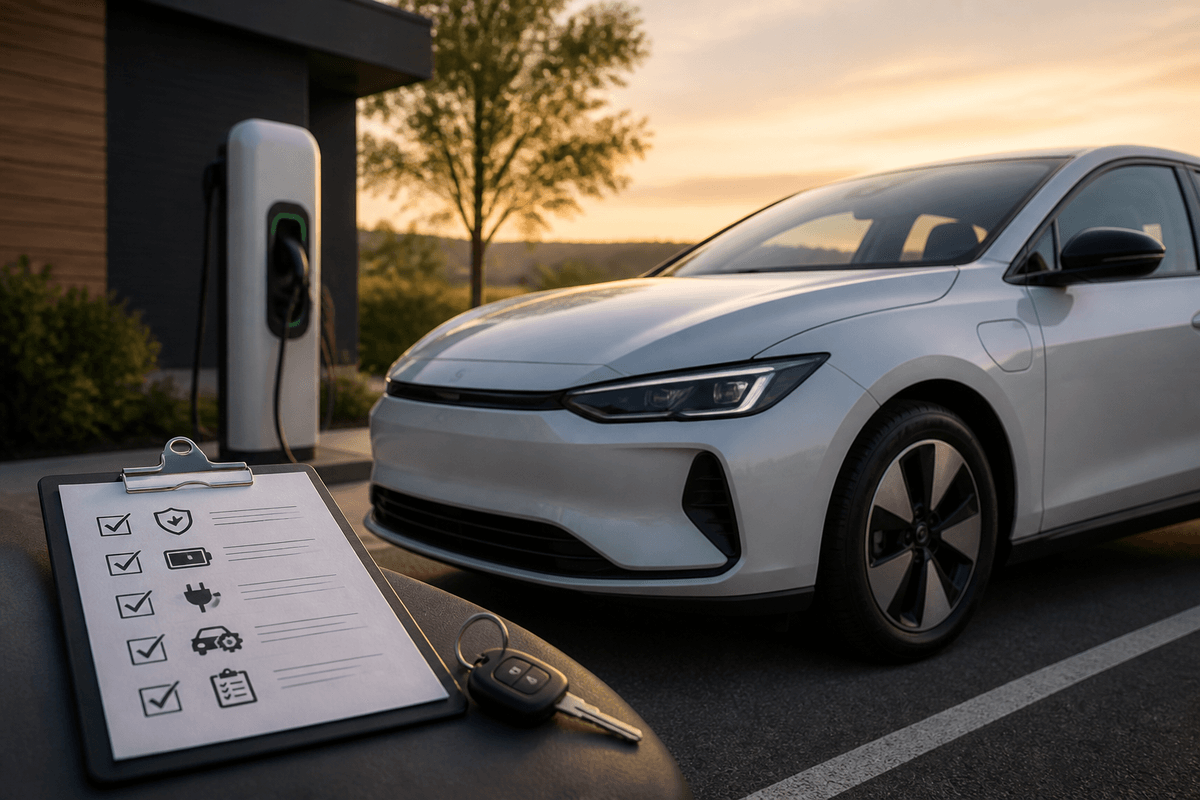
At this point, the useful checklist is plain: where the car will park most nights, where it can charge during a normal week, how far your harder days really are, and how much buffer you want when weather or traffic turns a simple plan into a longer one. Check those before you compare paint colors or chase the biggest range number. If the answers are vague now, ownership will feel vague later.
Treat the purchase like a parking-and-routine decision first, and a car decision second. Ask the dealer, landlord, employer, or yourself the awkward practical questions now. That is usually where the good choice gets obvious.